Categories
Artists

Marcel Floris

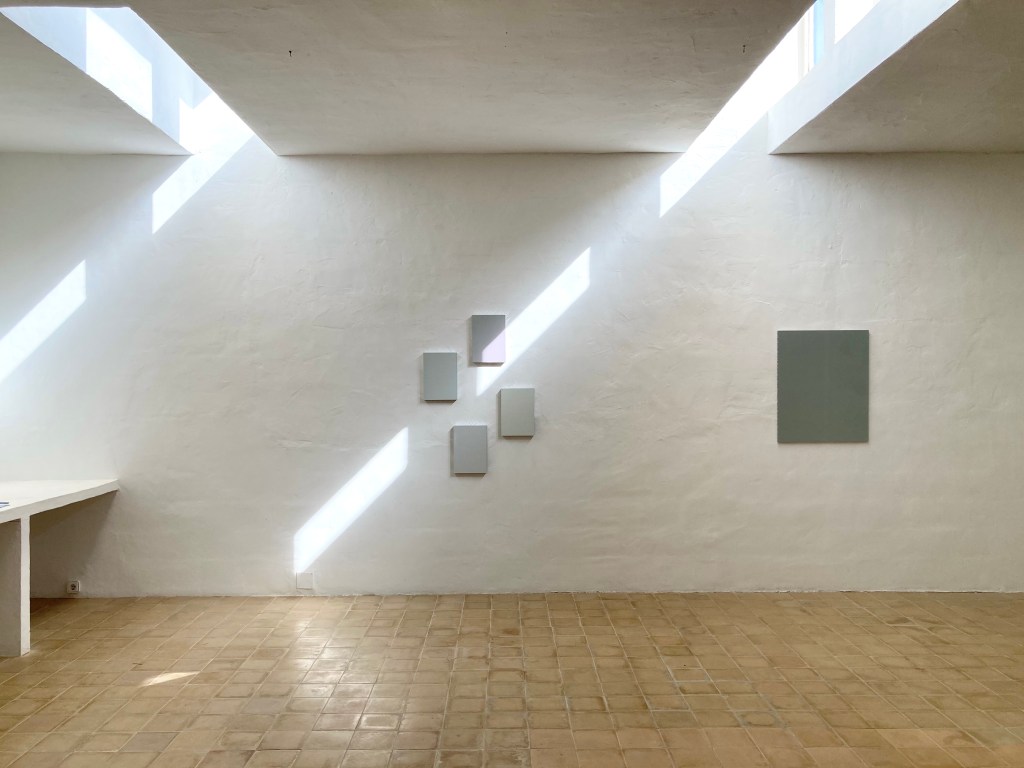
Marcel Floris (1914–2007) was a French painter and sculptor, born in Hyères, France. He studied in Aix-en-Provence and at the Academy of Fine Arts in Toulon before moving to Paris after the Second World War. In 1950 he relocated to Caracas, Venezuela, where he established both an artistic practice and a successful career in design. From 1971 onwards, he lived and worked between Venezuela and Ibiza, where he remained until his death.

Floris developed a geometric visual language that combined painting, sculpture, and relief. Working with metal, mirrors, and later painted constructions, he explored the interaction of plane, volume, light, and movement. His distinctive series Cubiplanos and Voluplanos dissolved the boundaries between two- and three-dimensional space, positioning his work within the traditions of Constructive and Concrete Art. His years on Ibiza became central to his mature practice, where he continued to refine a precise geometric vocabulary that united art, architecture, and spatial perception.

Throughout his career, Floris exhibited internationally and received numerous awards, including the Gold Medal at the São Paulo Biennale. His work was presented in institutions such as the Josef Albers Museum in Bottrop and is held in major public and private collections.
Categories
Artists

Alfred Haberpointner

Alfred Haberpointner is an Austrian sculptor, born in 1966 in Ebenau near Salzburg. He studied at the School of Sculpture in Hallein from 1980 to 1984 before continuing his education at the University of Art and Design Linz from 1985 to 1991.

Haberpointner’s artistic practice is centered on the sculptural potential of wood. Through cutting, chopping, burning, sawing, and staining, he transforms the material into works that oscillate between abstraction and figuration. The traces of the physical process remain visible, creating surfaces defined by rhythm, texture, and light. Alongside his distinctive head sculptures, he produces wall reliefs and large-scale installations that investigate the relationship between material, form, and space.

Over the past three decades, his work has been exhibited internationally and is represented in major public and private collections, including the Würth Collection, Museum der Moderne Salzburg, Lentos Kunstmuseum Linz, and Museum Beelden aan Zee.

www.haberpointner.net

Categories
Artists

Jean Molitor

Jean Molitor is a German photographer and artist, born in East Berlin in 1960. He studied artistic photography at the Academy of Visual Arts Leipzig (Hochschule für Grafik und Buchkunst) under Arno Fischer, graduating in 1993. Since then, he has worked internationally as a freelance photographer, initially focusing on reportage photography before increasingly dedicating his practice to long-term artistic projects.

Molitor’s work explores architecture as a cultural document. Through a precise, frontal photographic language, he investigates the global legacy of modernist architecture, revealing formal relationships between buildings across continents. His ongoing project bau1haus, initiated in 2009, documents architecture of the Classical Modern Movement in more than fifty countries, emphasizing the international reach and local adaptations of modernism.

@bau1haus

Categories
Artists

Chico Bialas

Chico Bialas is a German photographer, born in 1941. He studied at the Academy of Fine Arts Stuttgart, where he met his future wife and creative partner, Linde Bialas. Together they established an international career in editorial and commercial photography, working for leading fashion magazines and global brands. Since the early 1980s, following their move from Hamburg to Paris, Bialas has photographed for publications including VogueElleMarie ClaireCosmopolitanGraziaDonna, and Amica.

His photographic practice is characterized by a cinematic visual language that combines strong composition with narrative staging. Throughout his career he has photographed many of the defining supermodels and actresses of the 1980s and 1990s, including Naomi Campbell, Linda Evangelista, Helena Christensen, Monica Bellucci, Isabella Rossellini, Eva Herzigová, Nadja Auermann, Catherine Deneuve, and Claudia Schiffer. His work is recognized for its balance of elegance, spontaneity, sensuality, and human warmth.

Alongside his editorial and commercial commissions, Bialas has continued to develop a personal photographic practice focused on observational imagery. His later work shifts from fashion toward quieter, more contemplative studies of everyday life, exploring the extraordinary within ordinary moments. He continues to live and work between Ibiza and Paris.

www.chicobialas.com

Categories
Artists

Andrei Roiter

Andrei Roiter (born 1960 in Moscow) is a Russian artist who lives and works between Amsterdam and New York. He studied at the Moscow Institute of Architecture from 1978 to 1980 and began exhibiting in underground art spaces in Moscow before gaining international recognition in the 1980s.

Roiter’s practice includes painting, drawing, sculpture, and installation. His work often reflects themes of travel, displacement, memory, and cultural transition. Using found objects, architectural forms, signs, and everyday materials, he creates images and objects that move between personal narrative and collective history.

His works are represented in major international collections, including Centre Pompidou, Van Abbemuseum, Kunsthalle Basel, and the Moscow Museum of Modern Art.

www.andreiroiter.com

Categories
Artists

Erwin Bechtold

Erwin Bechtold (1925–2022) was a german painter and one of the most significant representatives of geometric abstraction in post-war Europe. Born in Cologne, he studied there at the Werkkunstschule before settling in Ibiza in the 1950s, where he became a central figure in the island’s emerging international artistic community.

His work is characterized by a rigorous exploration of form, structure, colour, and spatial relationships. Rooted in Concrete Art and Constructivist traditions, his paintings developed through precise geometric systems while maintaining a strong sense of visual rhythm and balance. Throughout a career spanning more than six decades, he established an independent artistic language that positioned him among the leading abstract artists of his generation.

A close friendship with Eduard Micus played an important role in both artists’ lives and careers. It was Bechtold who encouraged Micus to come to Ibiza in the late 1960s. The island’s unique atmosphere and artistic freedom led Micus to settle there permanently. Their longstanding dialogue and mutual respect contributed significantly to the development of Ibiza as an important centre for contemporary abstract art.

Categories
Artists

Martin Bialas

Martin Bialas (born 1963 in Stuttgart) is a german artist based in Ibiza. He studied at St. Martin’s School in London in 1982 and moved to Paris in 1986. Since 1992, he lives and works between France, Spain, and Morocco; since 2013, Ibiza is his main base.

His practice includes sculpture, drawing, painting, and wall installations. Language, writing, signs, and symbols are central to his work. He often uses natural materials and simple linear forms, translating them into bronze through the lost-wax casting process. The Sahara Desert is an important source of inspiration and a recurring reference in his artistic development.
Bialas’ work connects material presence with ephemeral traces. It moves between text, object, landscape, and memory.

www.martinbialas.com

Categories
Artists

Maria Catalán

Maria Catalán (born 1961 in Castellón de la Plana) is a spanish artist who lives and workes in Ibiza since 1981. She studied at the Escuela de Arte in Ibiza between 1984 and 1988 and subsequently continued her artistic development in the studio Eduard Micus, where she worked for more than a decade.

Catalán´s practice is rooted in painting and characterized by a quiet, contemplative approach to form, colour, and composition. Her works often balance abstraction and representation, drawing inspiration from the landscape, light, and atmosphere of Ibiza. Through a reduced visual language, she explores subtle spatial relationships and the emotional resonance of colour, creating images that invite sustained observation.

Over the course of her career, Catalán has exhibited in Spain, Germany, France, and other European countries. Her work reflects a continuous engagement with perception, memory, and the transformative qualities of light, establishing a distinctive position within the contemporary art scene of Ibiza.

Categories
Artists

Christoph Dahlhausen

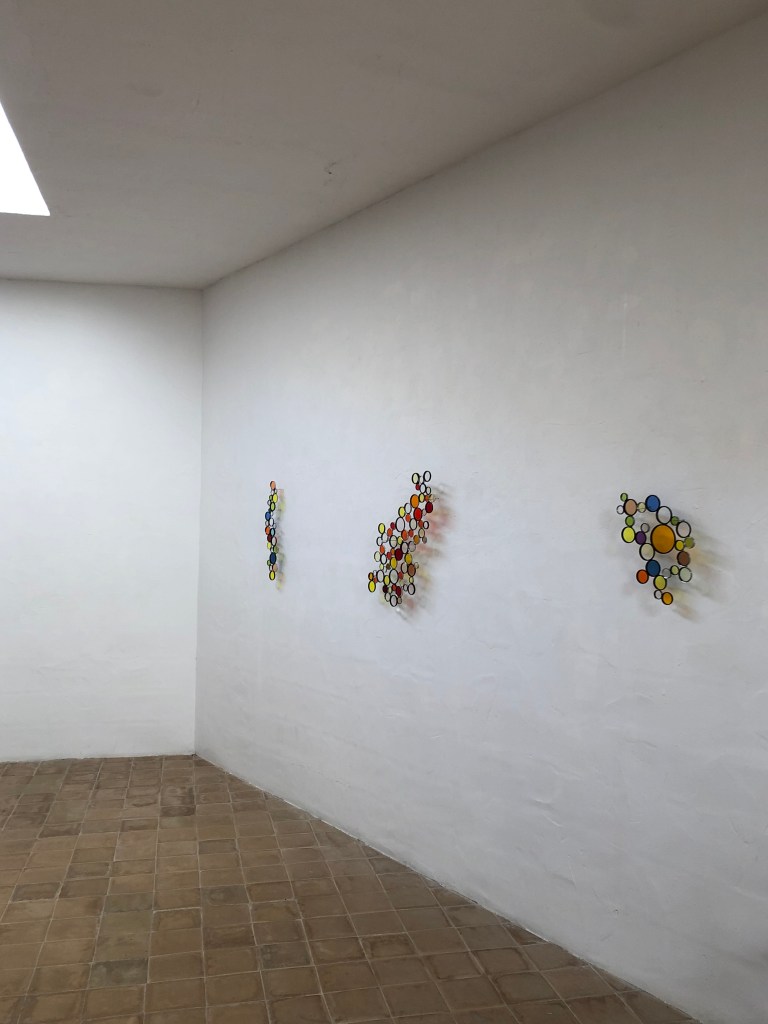
Christoph Dahlhausen (born 1960 in Bonn) is a German artist, curator, and author. Following studies in music, medicine, and philosophy, he established an international artistic practice focused on the interaction of light, colour, and space. He lives and works between Bonn, Trier, and Melbourne.

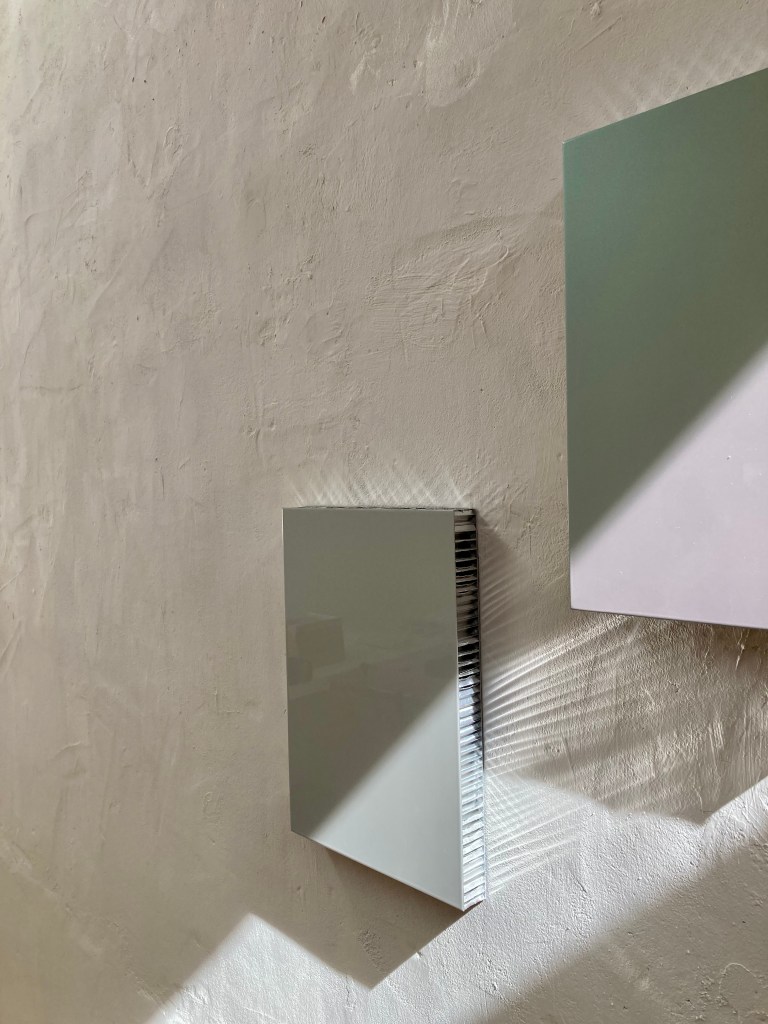
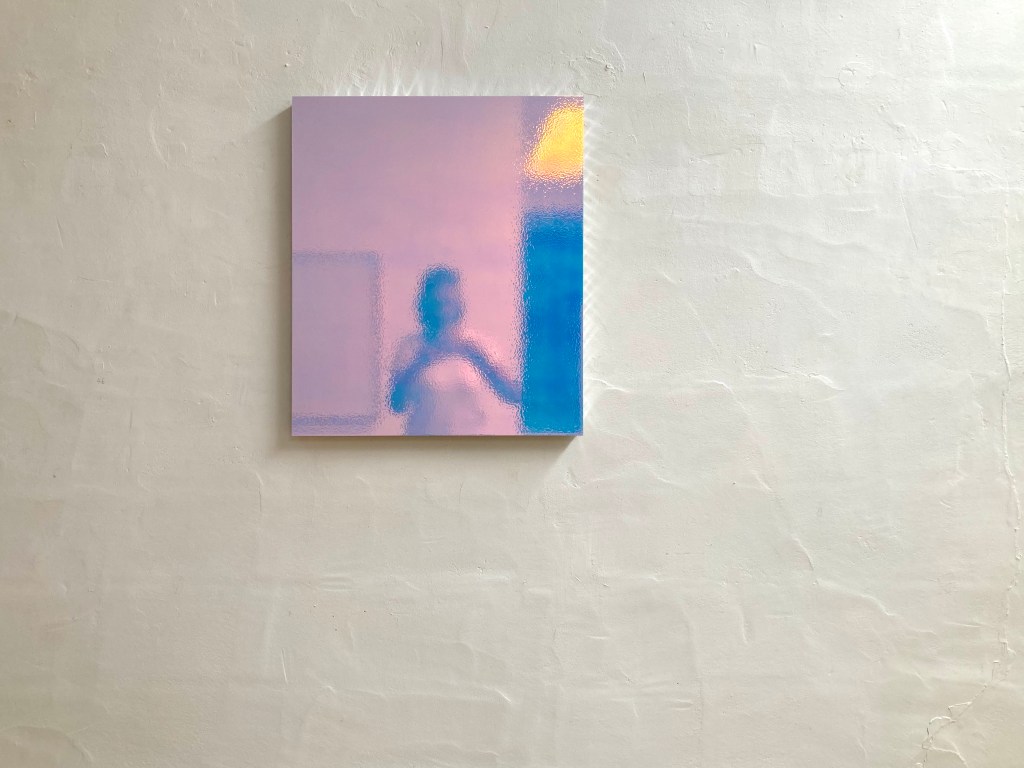
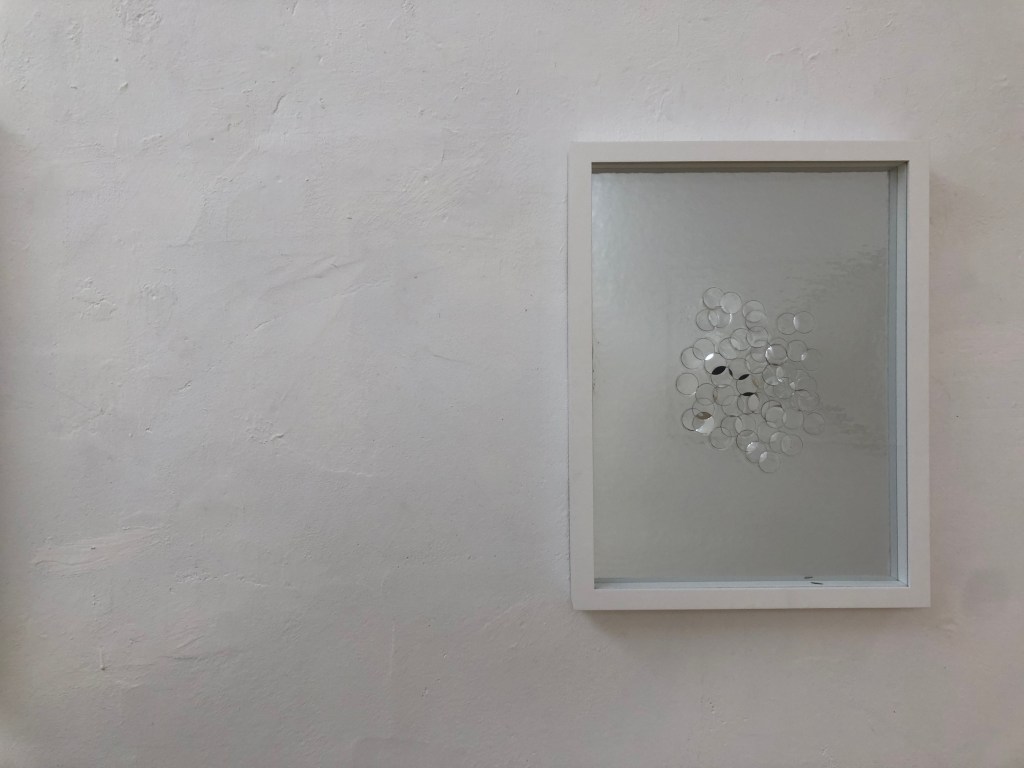
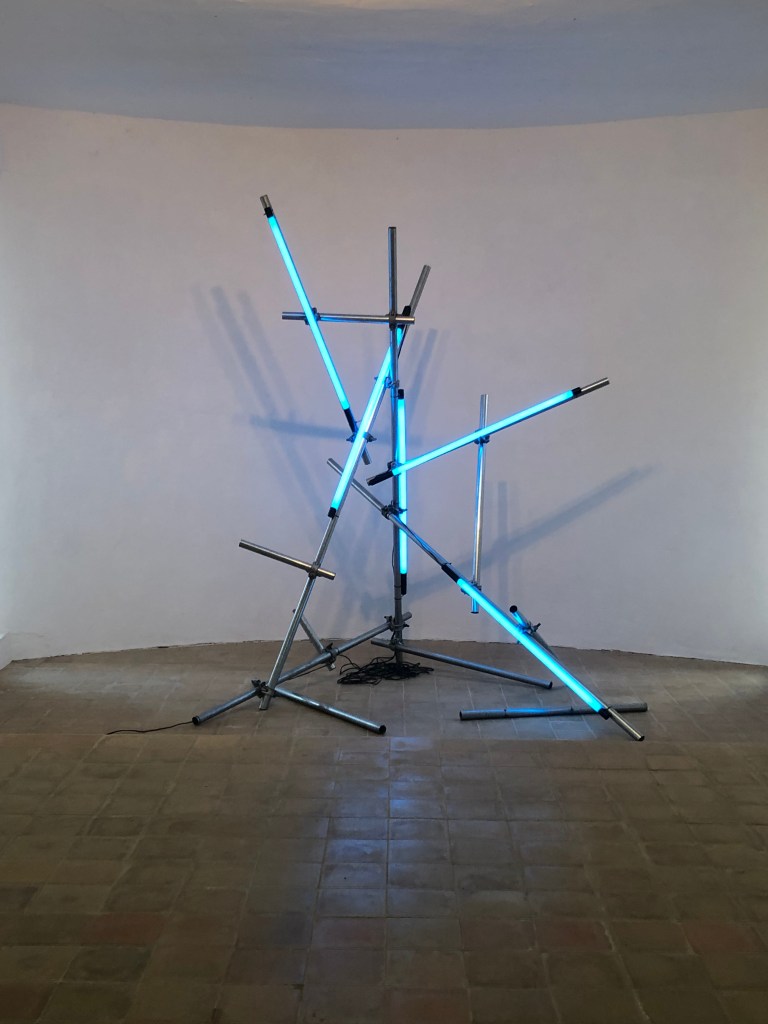
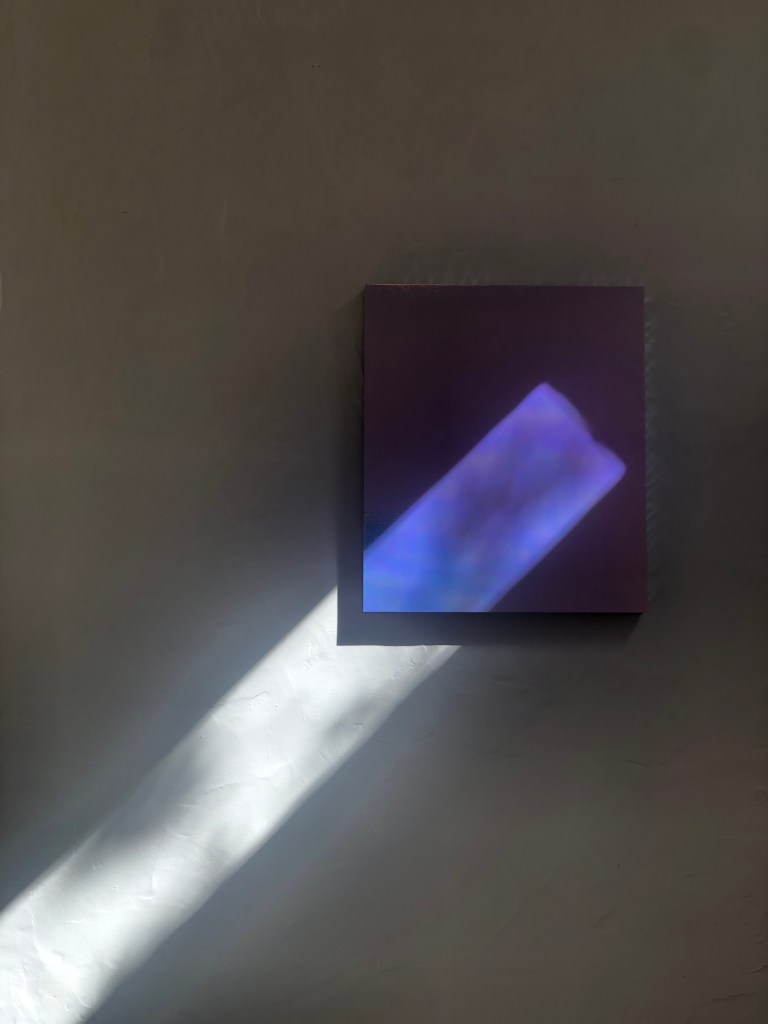
He works across sculpture, installation, painting, and architectural interventions. Using materials such as glass, mirrors, coloured acrylic, reflective surfaces, and artificial light, he creates perceptual situations in which colour and light become active spatial elements. His practice is rooted in the traditions of concrete and constructive art while exploring the viewer’s experience of space and perception.
Recent projects continue his investigation of colour as a spatial phenomenon and of light as a transformative force. Through large-scale installations, public commissions, and site-specific works, Dahlhausen explores how perception is shaped by movement, architecture, and changing environmental conditions. Alongside his artistic practice, he has been active as a curator and educator, including teaching and research positions internationally, as at RMIT University in Melbourne.
www.christoph-dahlhausen.de

Categories
Artists

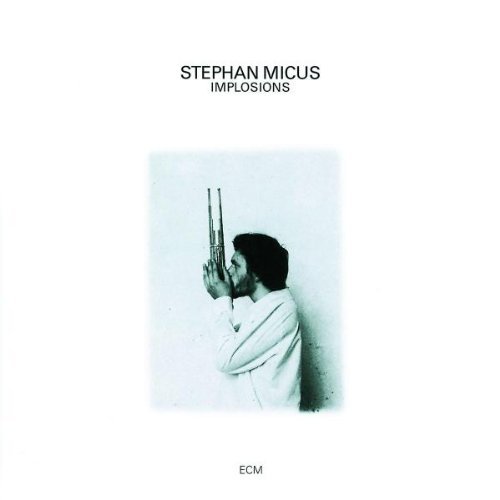
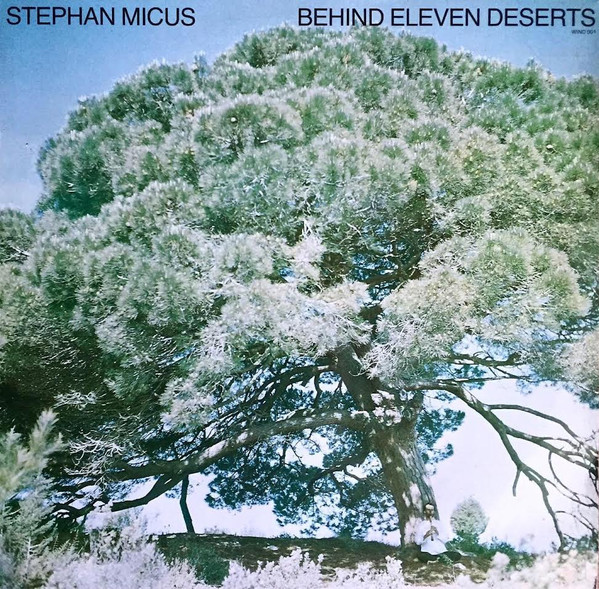
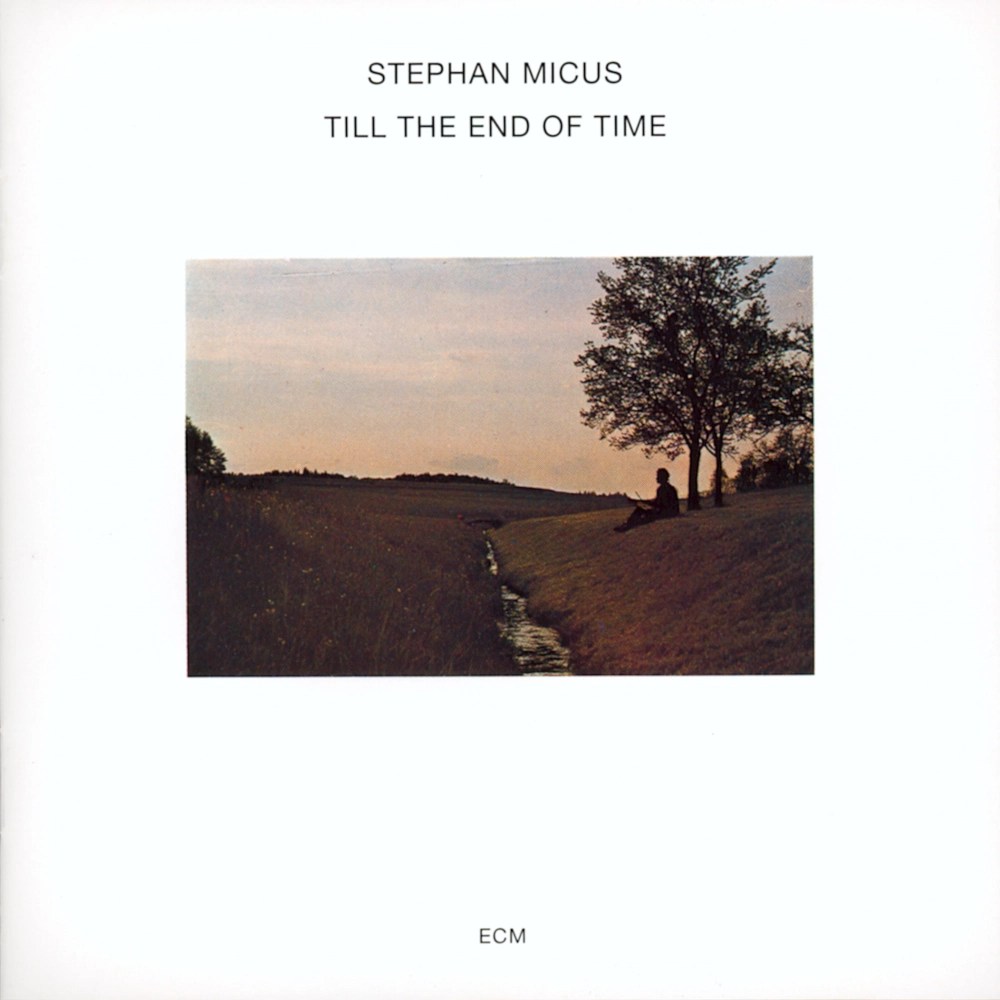
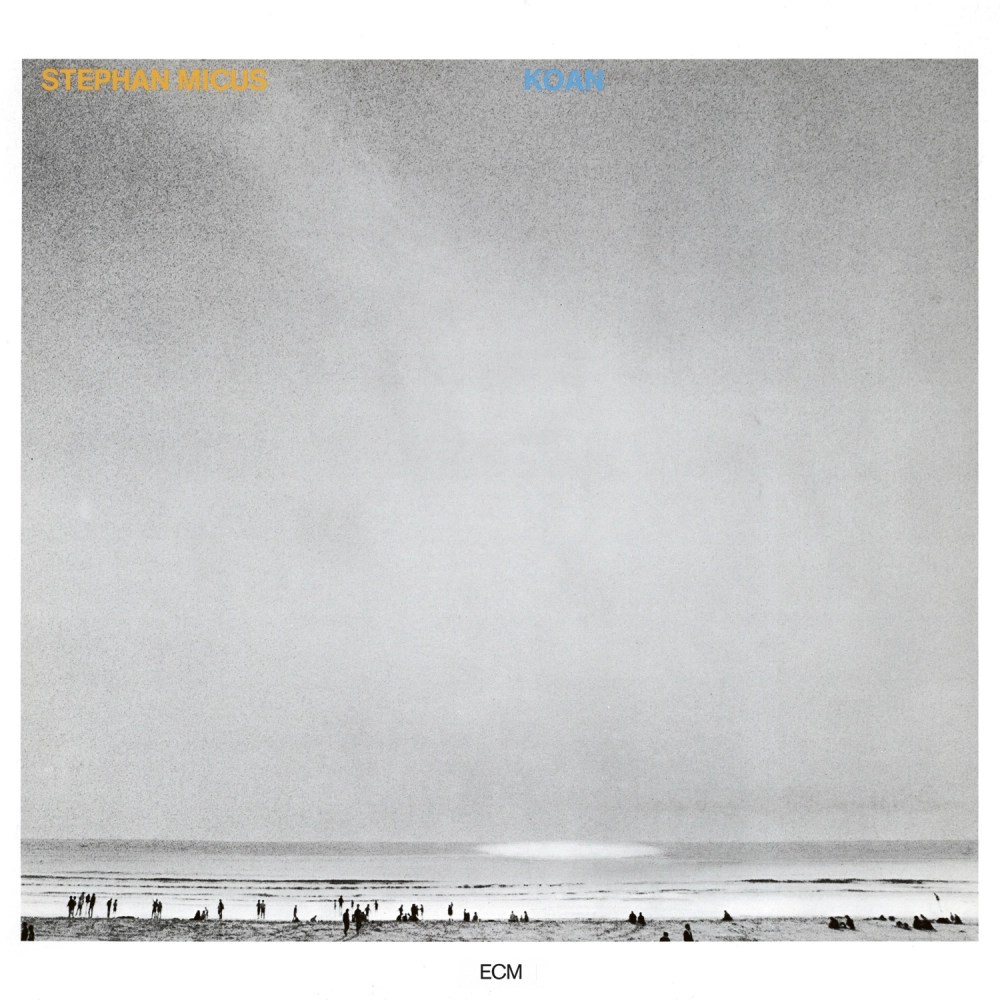
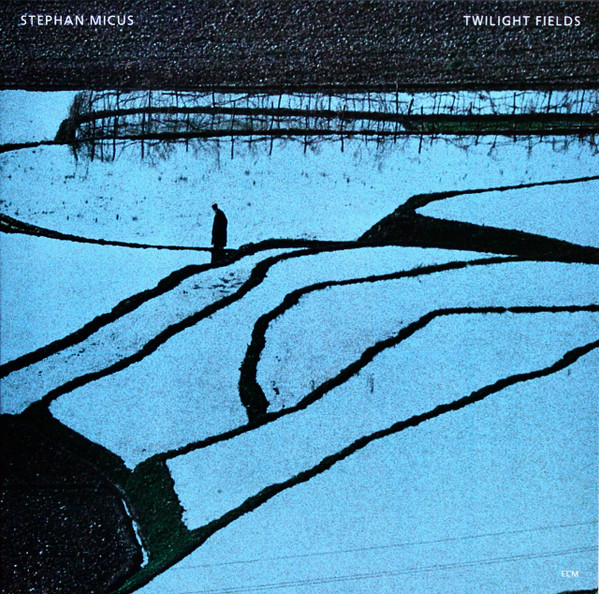
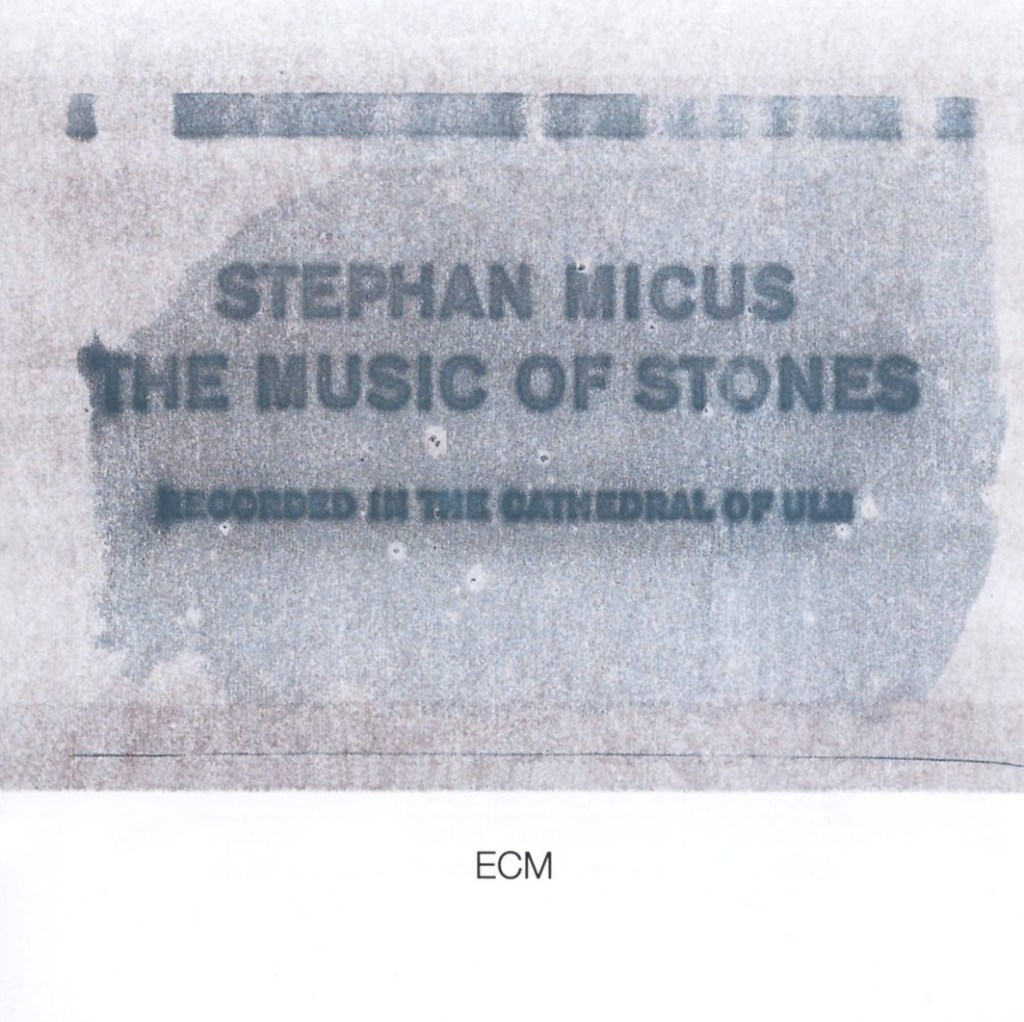
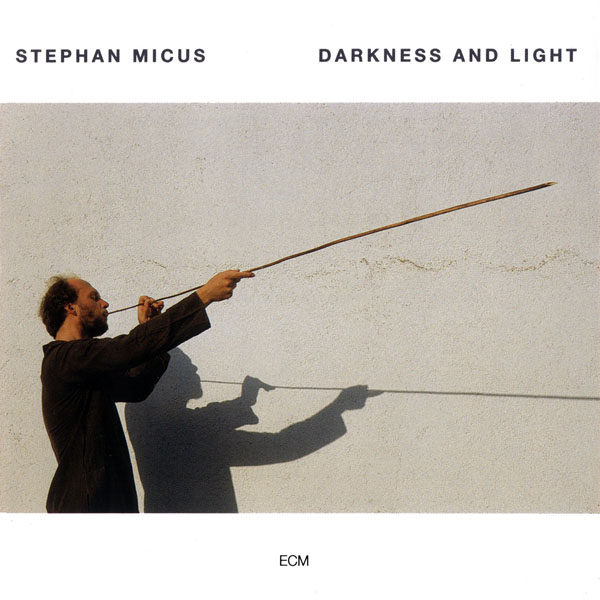
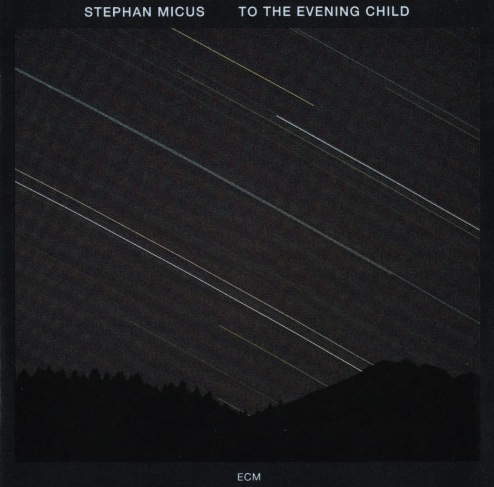
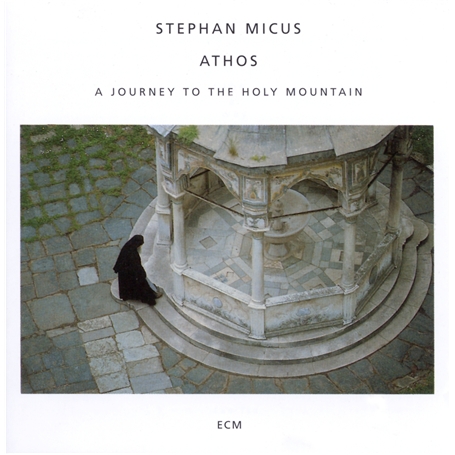
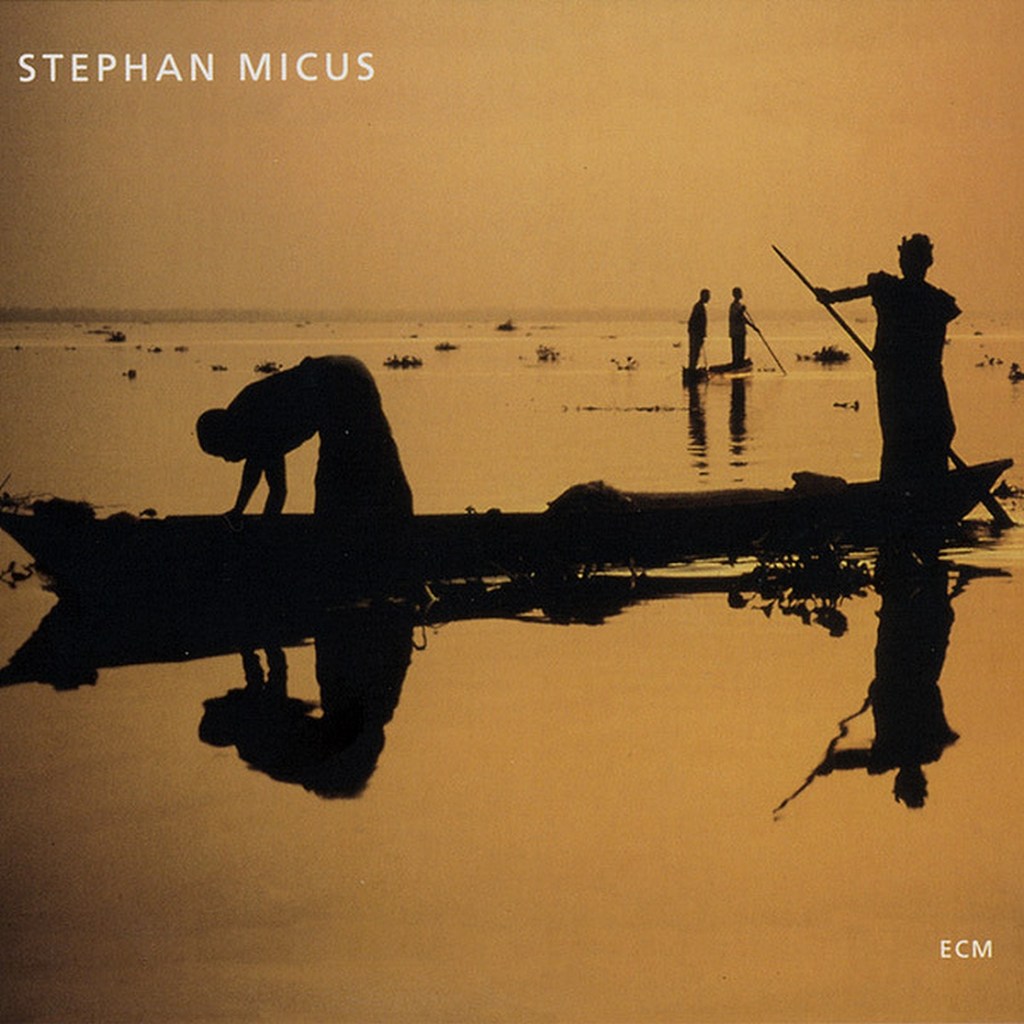
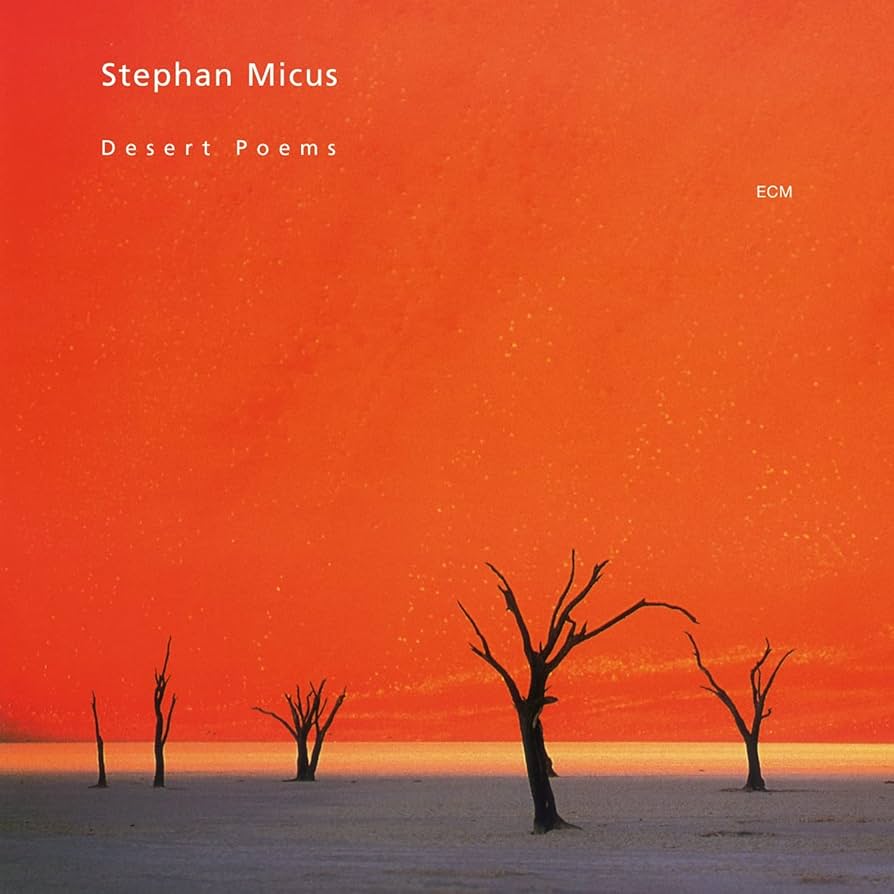
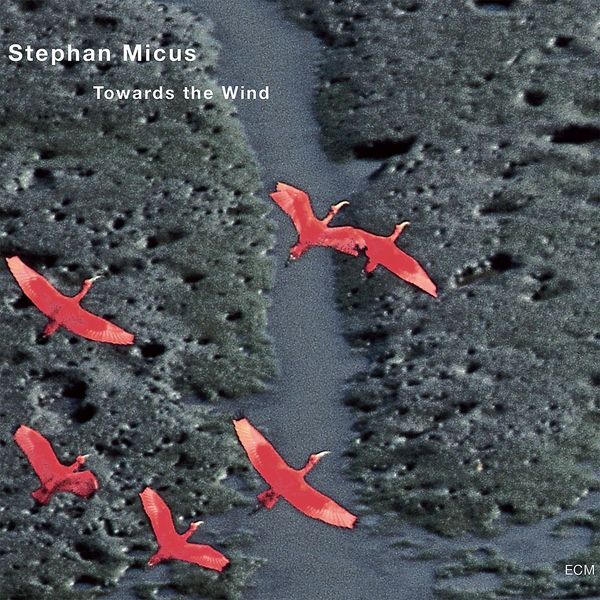
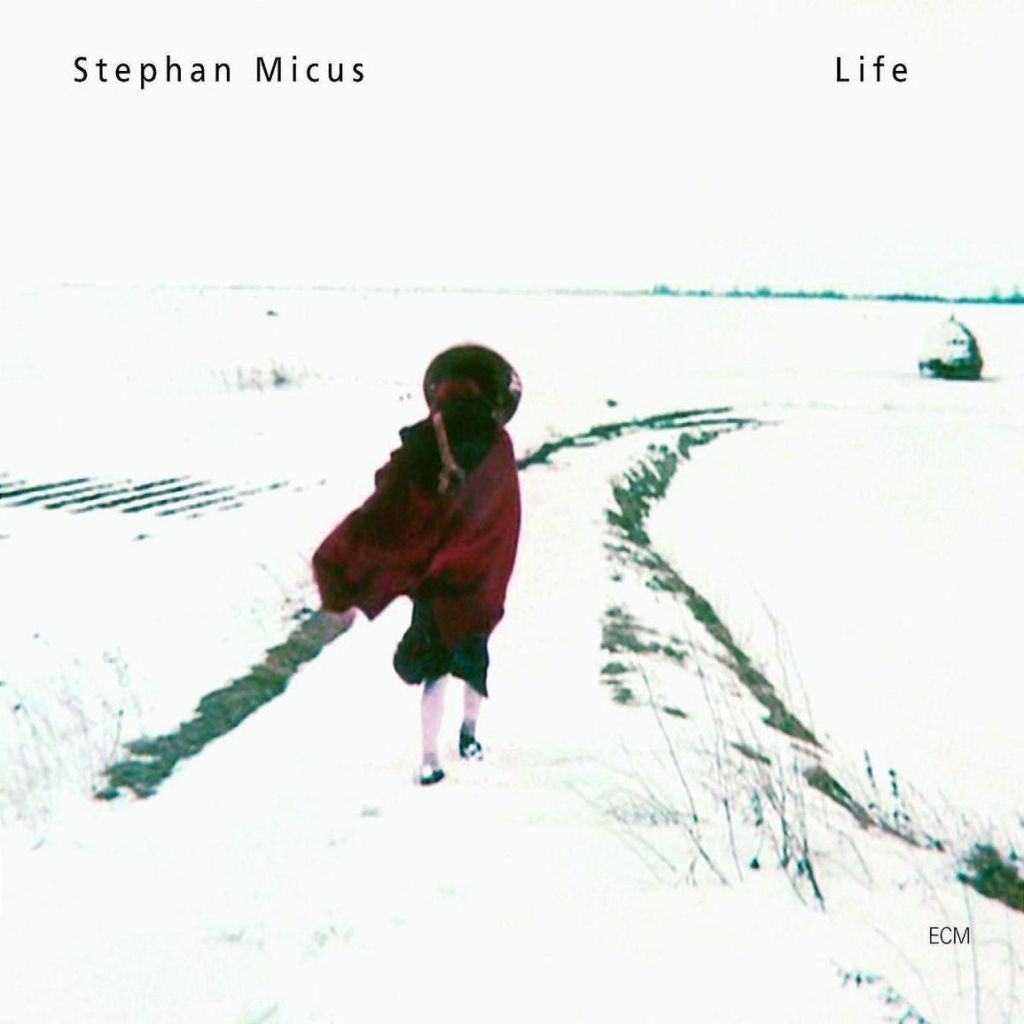
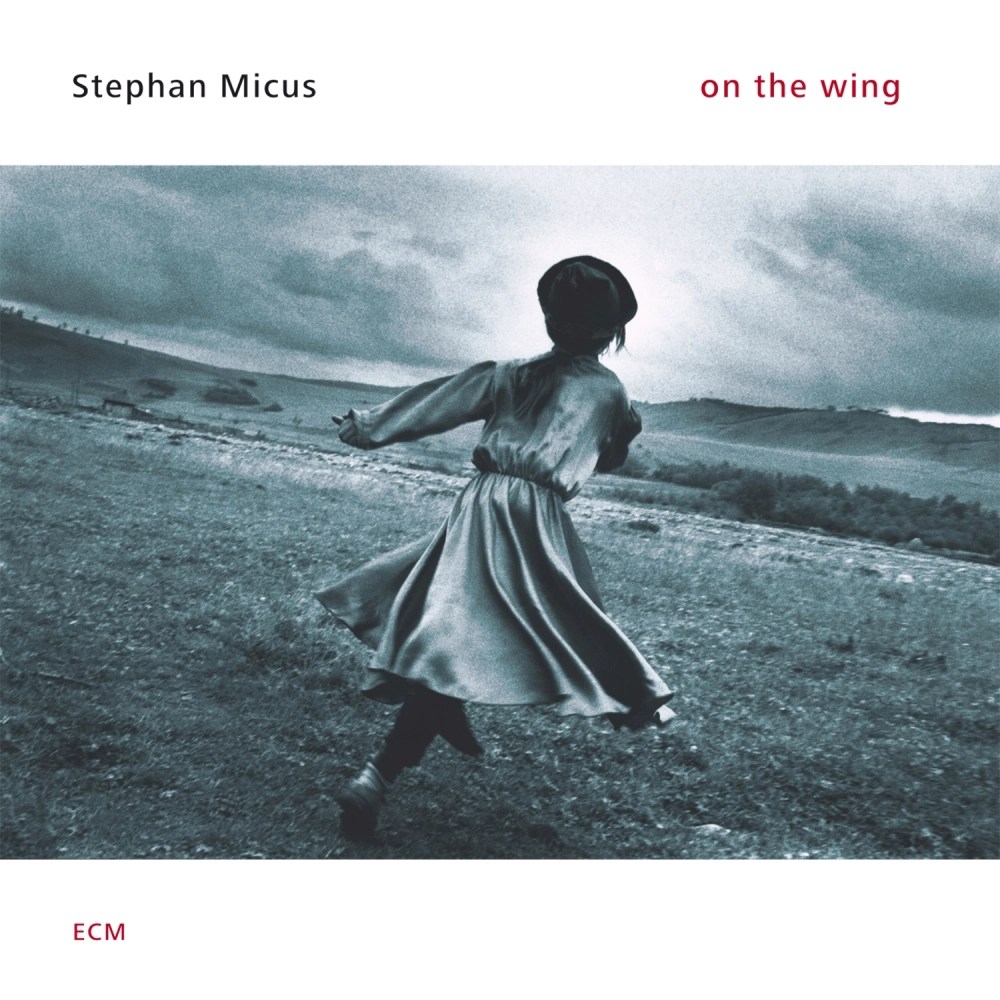
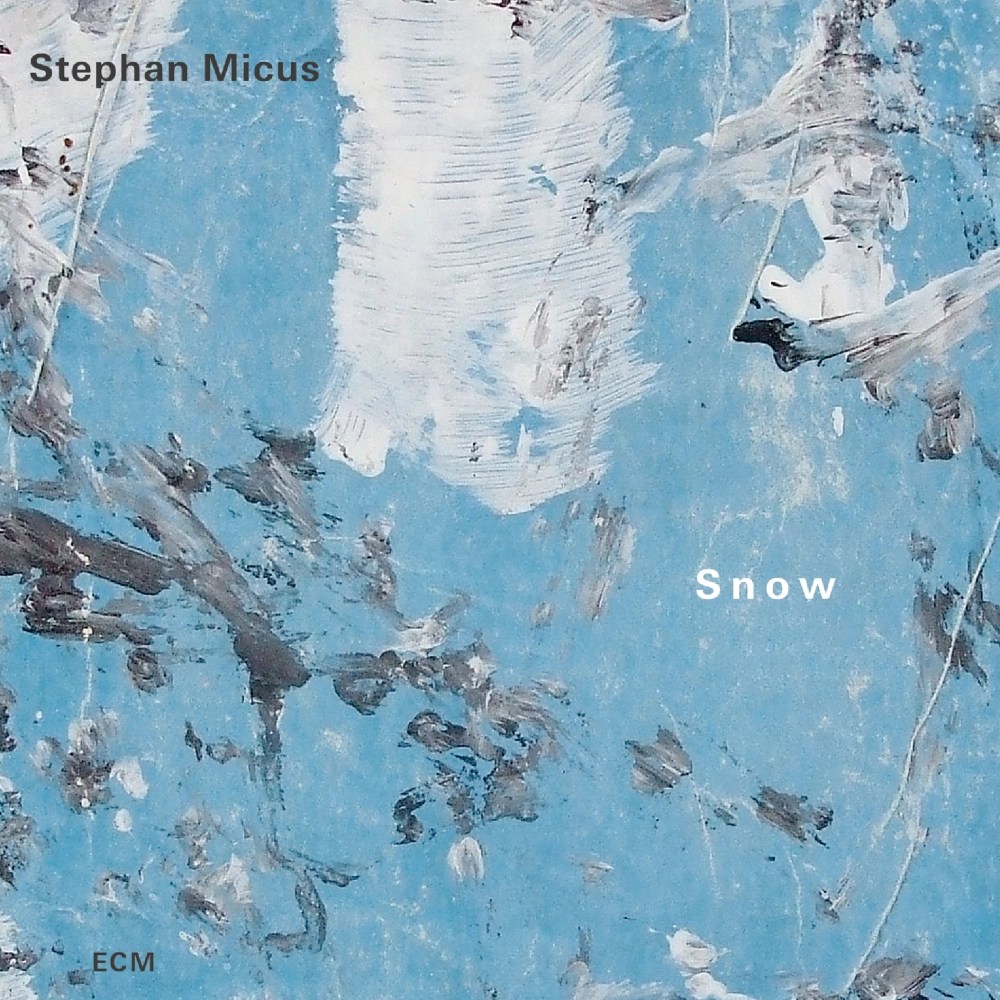
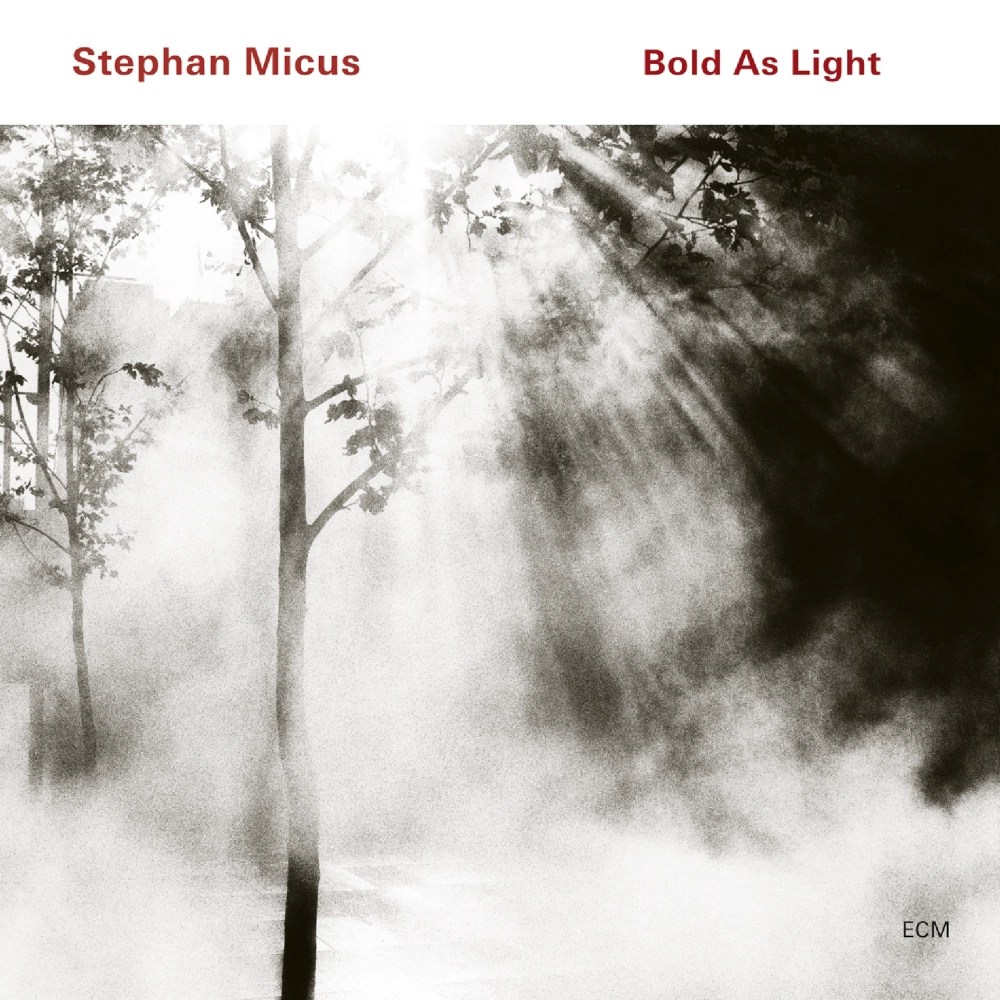
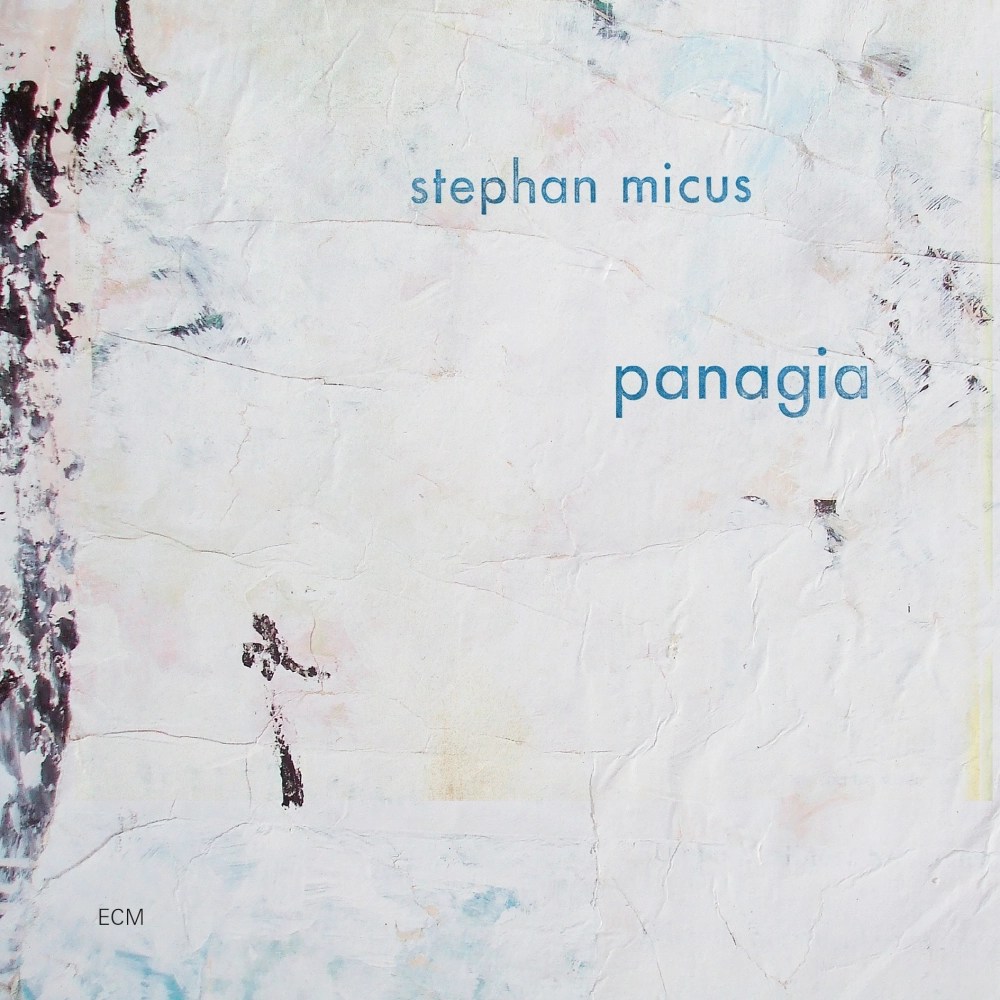
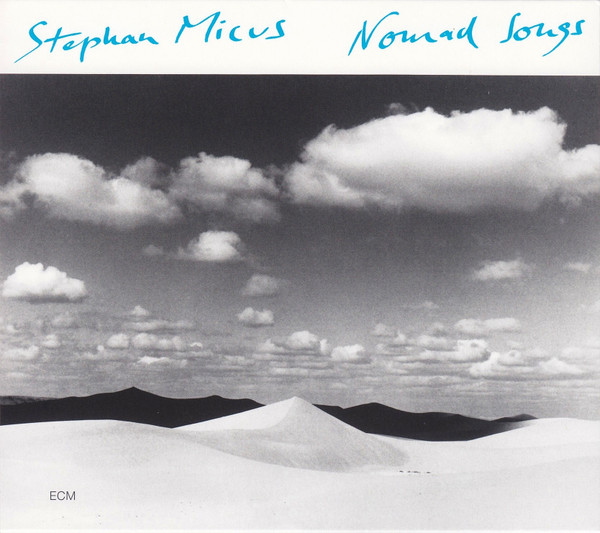
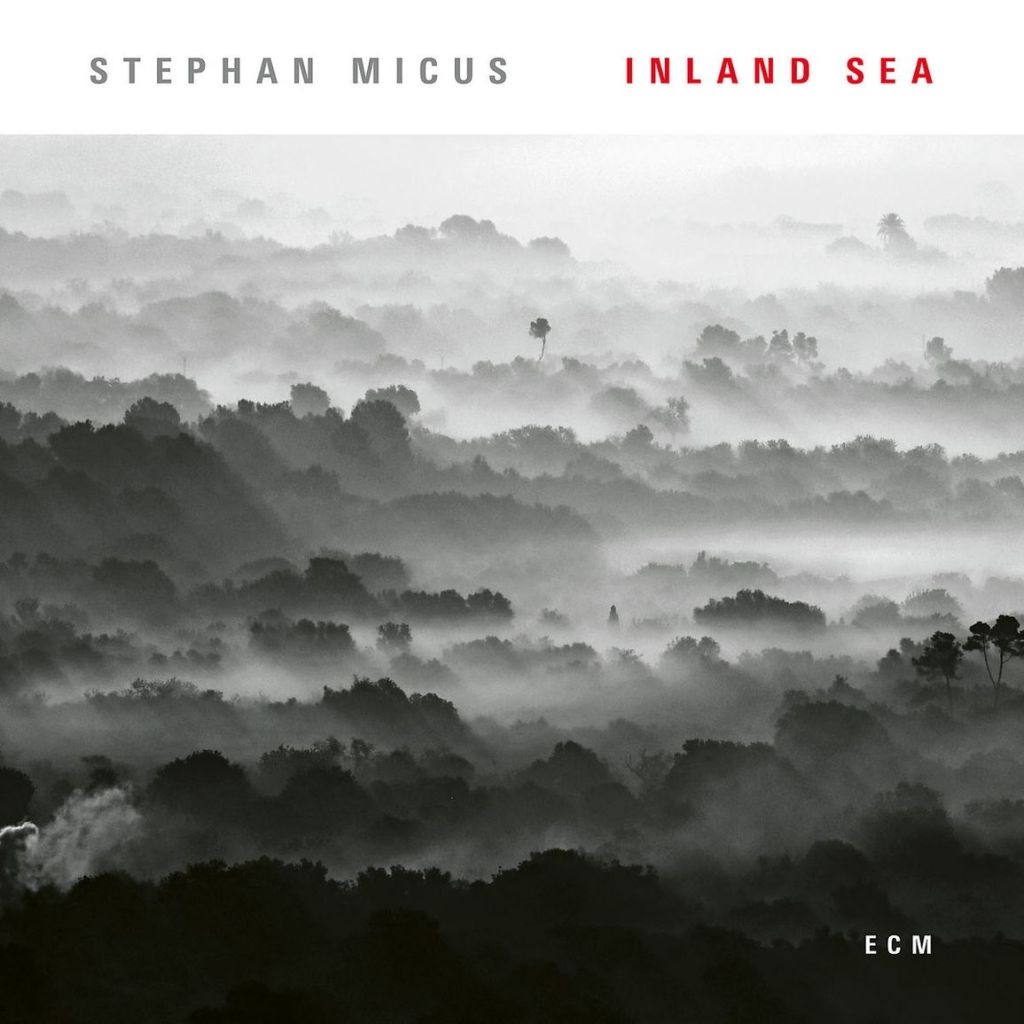
Stephan Micus

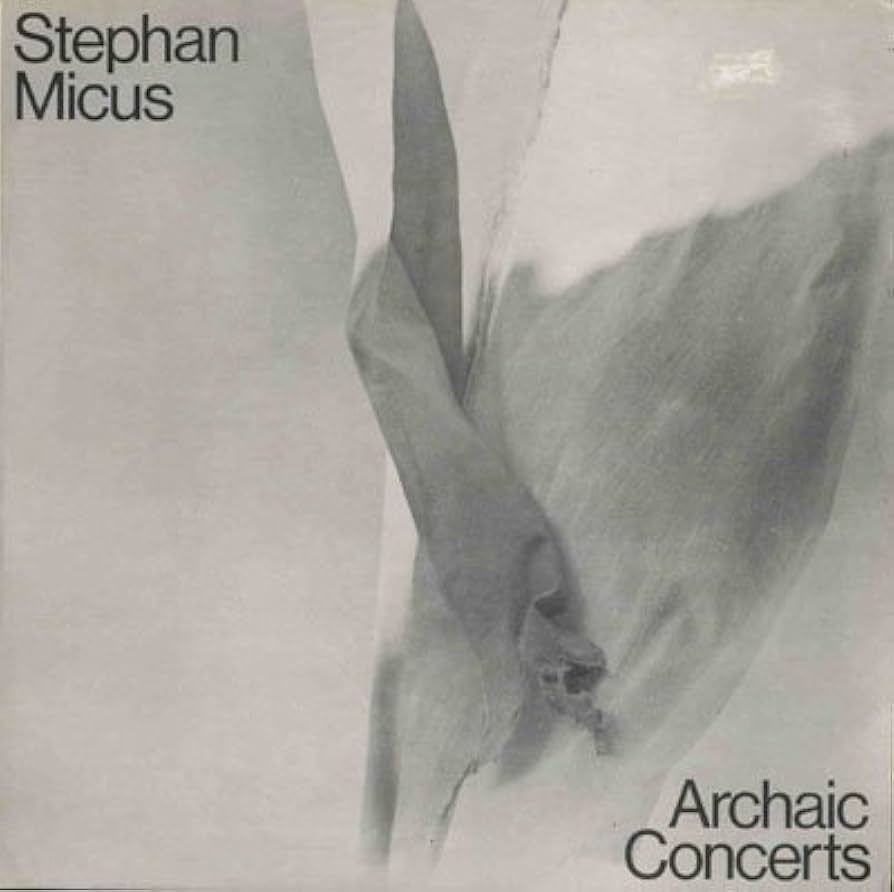
Stephan Micus, born in Stuttgart in 1953, is a musician, composer, and multi-instrumentalist. At the age of sixteen he began travelling through Asia and the Middle East, developing a lifelong fascination with the world’s diverse musical cultures. Over the decades he travelled extensively through Asia, Africa, Europe, and the Americas, studying traditional instruments directly with local master musicians.
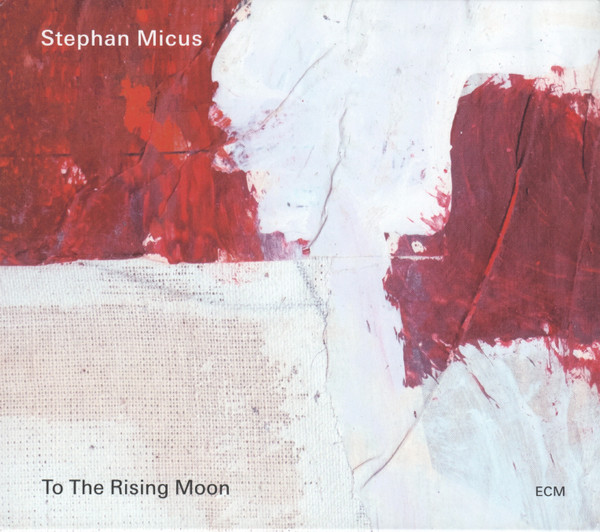
At the center of his work is the exploration of new musical landscapes. Rather than playing instruments in a strictly traditional way, Micus develops new musical possibilities within them, often combining instruments from different cultures that had never previously been heard together. His compositions — usually recorded alone through layered overdubs — bring together instruments such as sitar, shakuhachi, nay, zither, kalimba, and sho, alongside his own voice, creating meditative, transcultural soundscapes of great intimacy and depth.

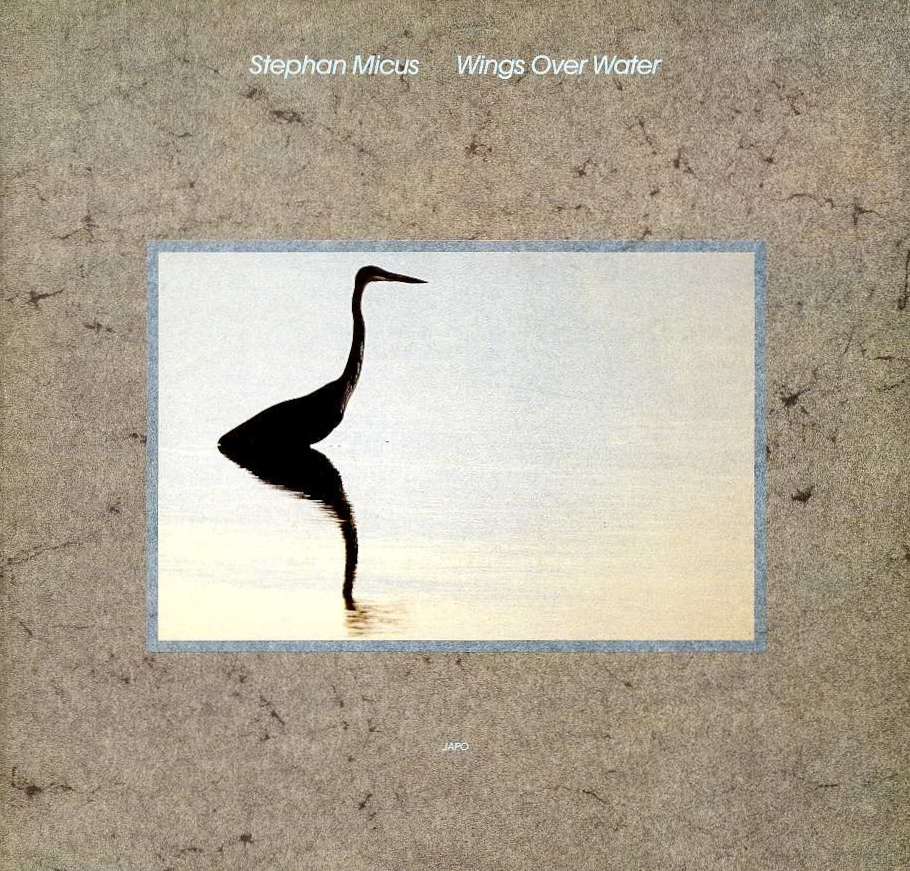
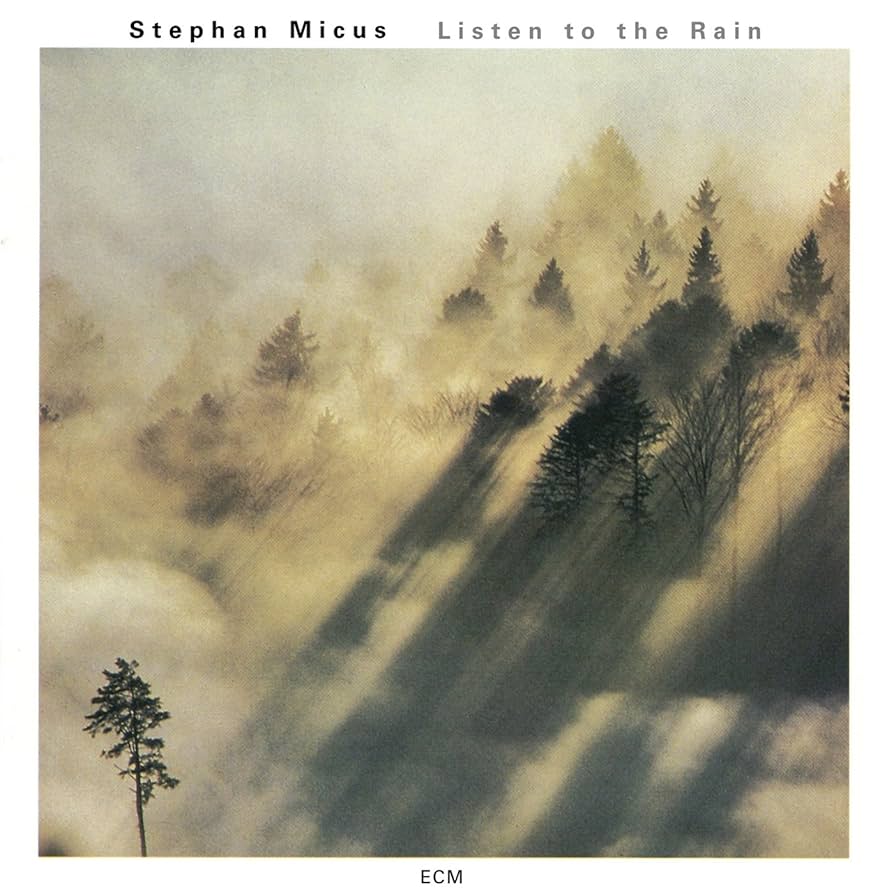
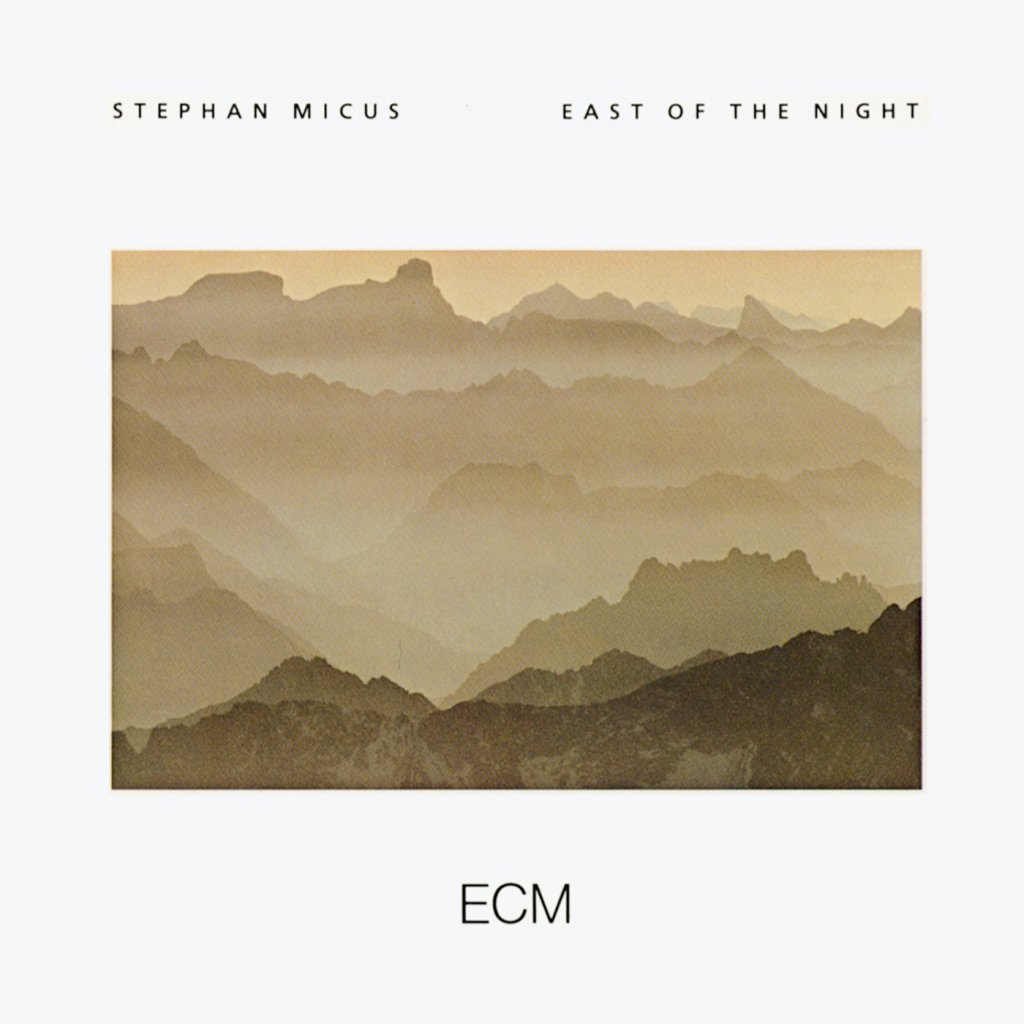
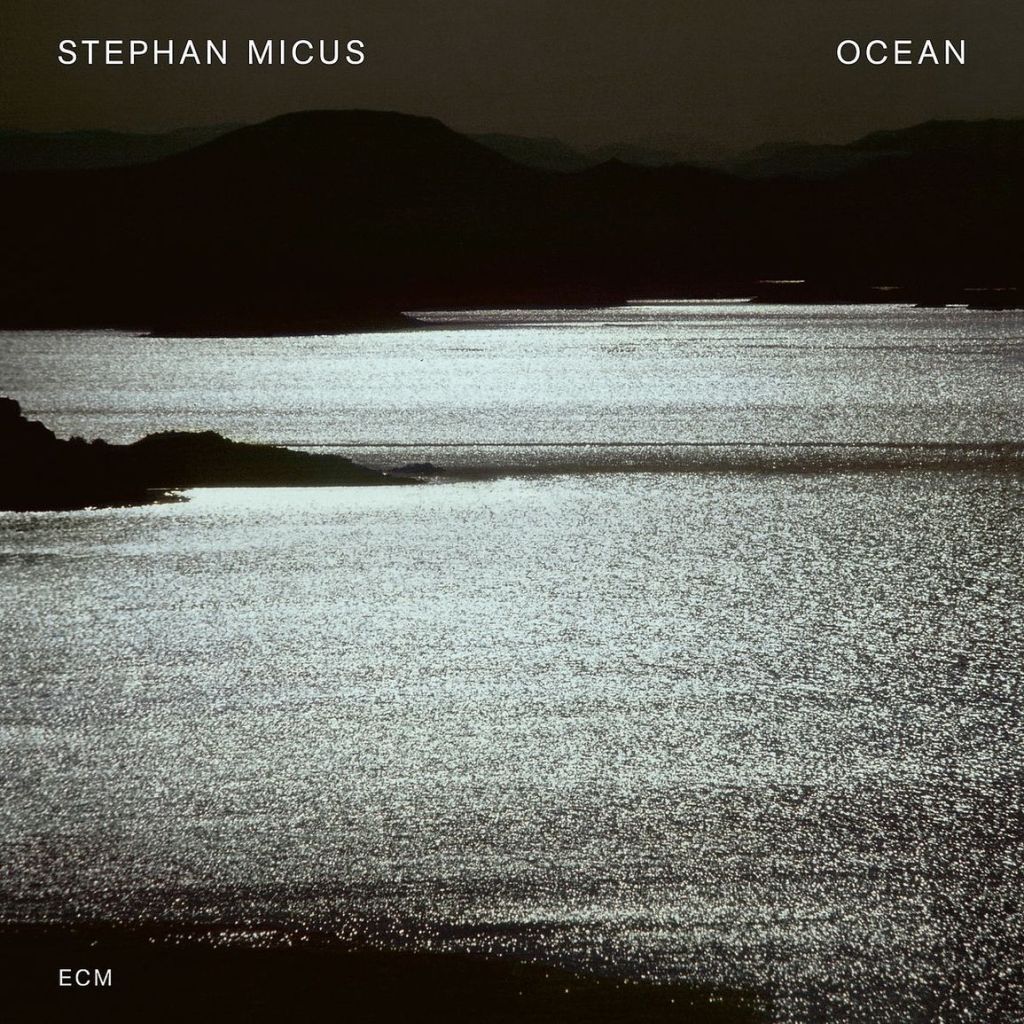
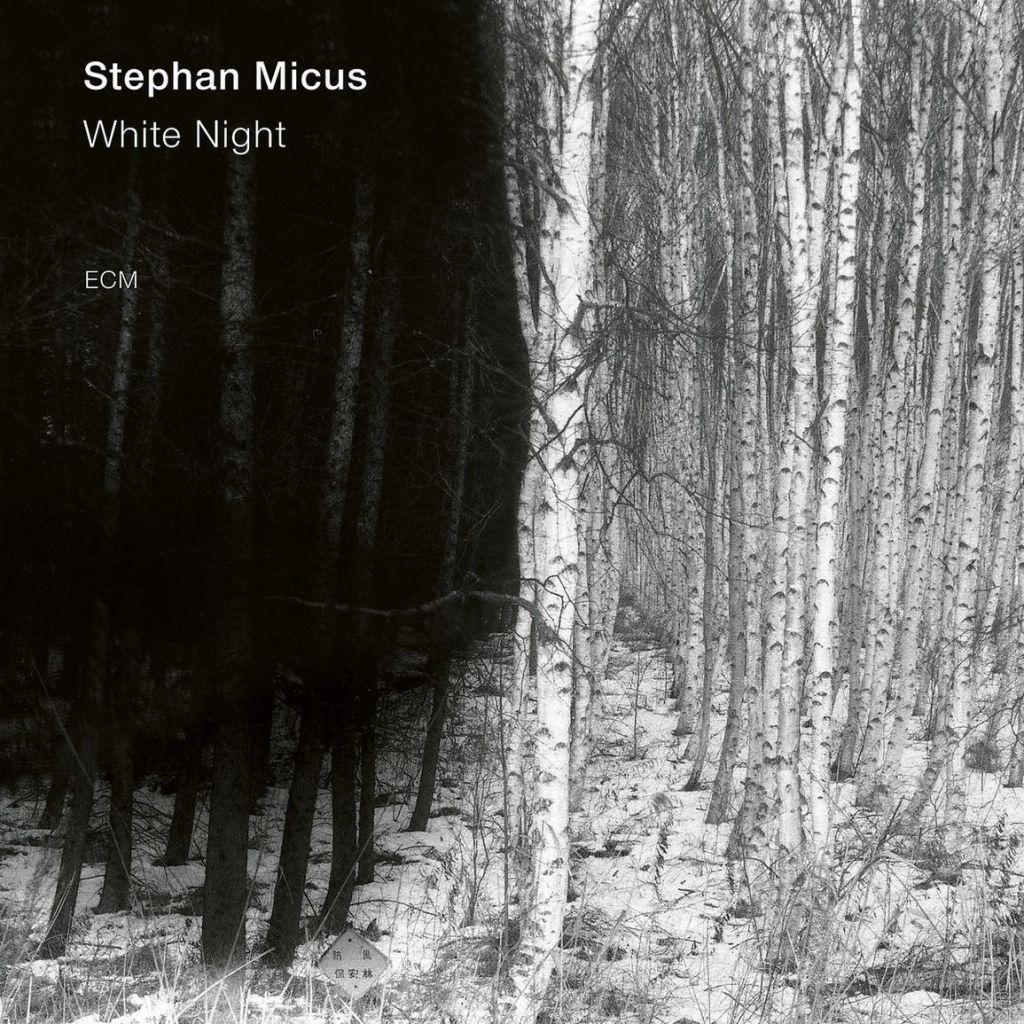
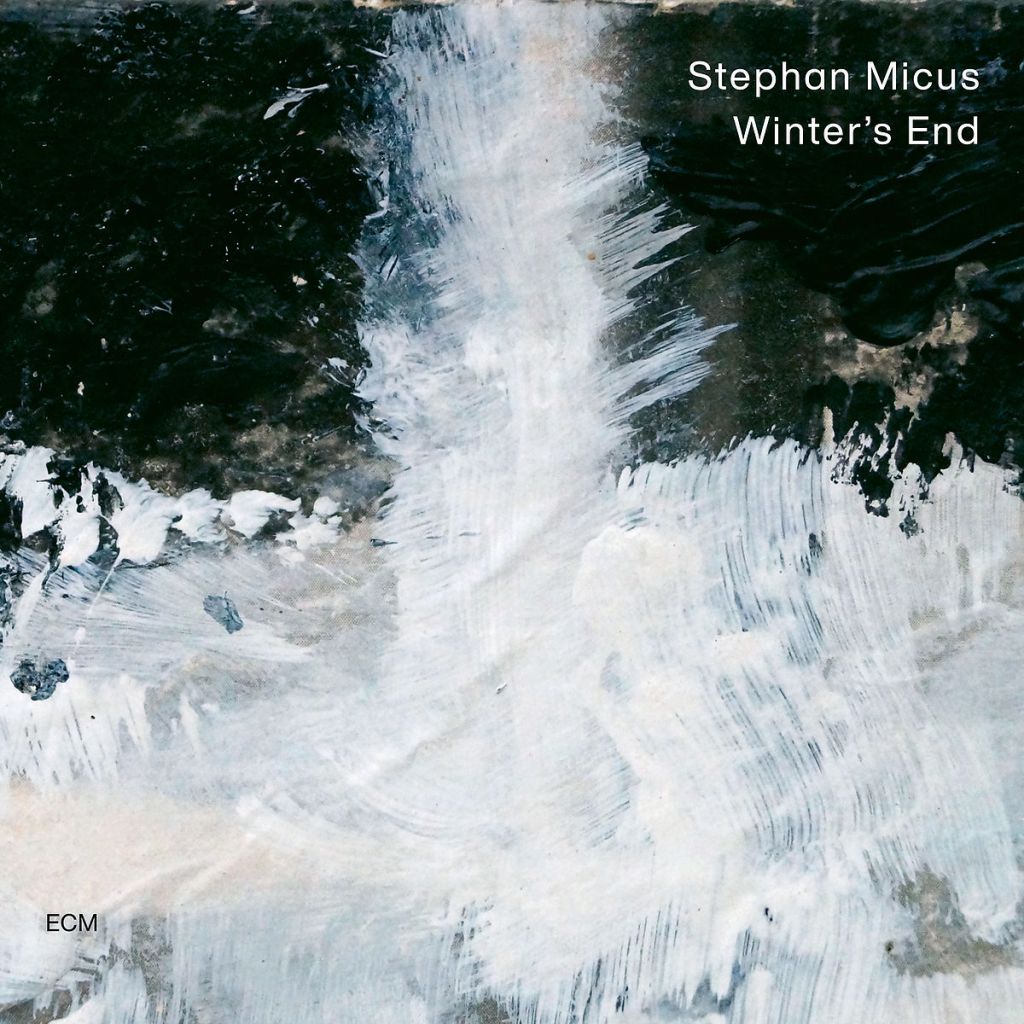
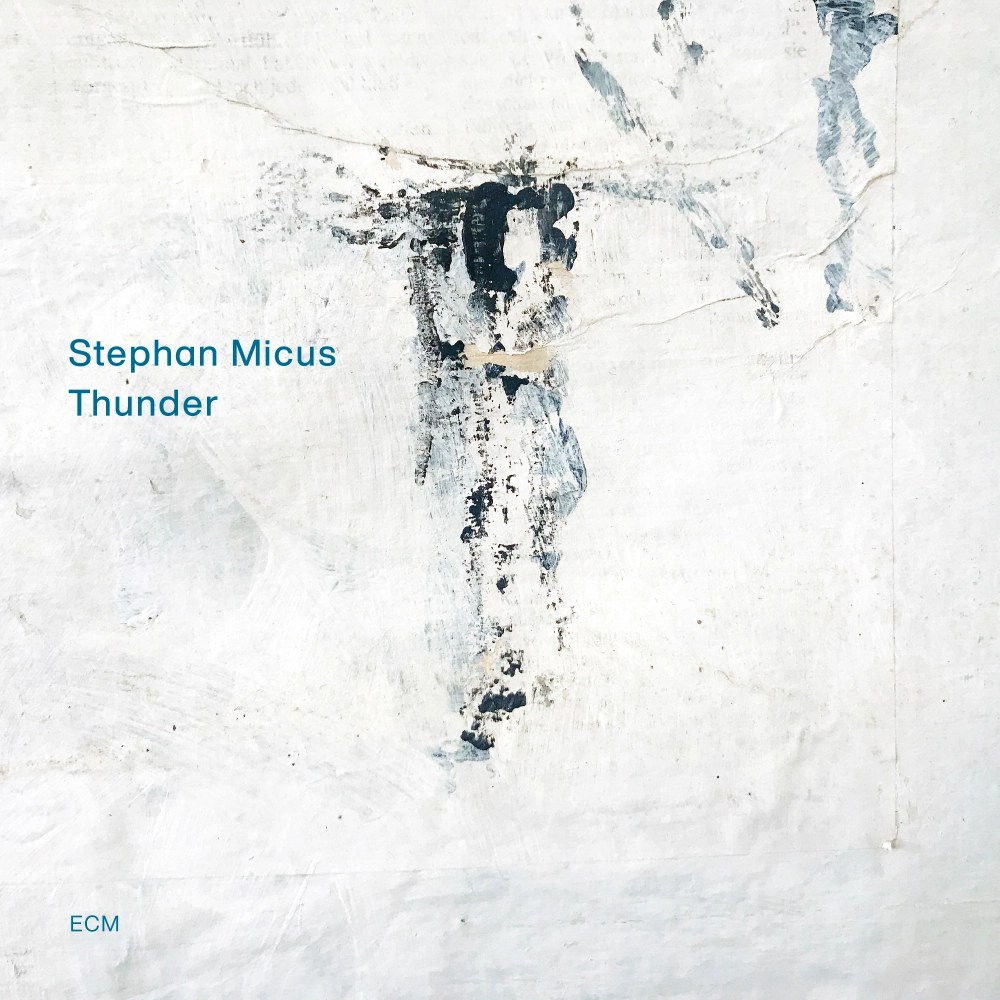
Since 1976, Stephan Micus has released his work on the ECM label. His oeuvre now comprises 28 albums, many of which are currently being reissued on vinyl. In addition to numerous solo concerts across Europe, Asia, and the Americas, his music has also been used by leading contemporary dance companies worldwide.

www.stephanmicus.com